


Why demolition in Vancouver starts with a hazardous materials report, not an excavator?
For any building constructed in 1990 or earlier, the City will not sign off a demolition without a Hazardous Building Material Report, and that report has to be completed by a Qualified Professional holding a valid WorkSafeBC Asbestos Level S certification. This is the single most common reason a Vancouver demolition timeline slips. Owners book a demolition crew, the crew arrives, and then discovers that nothing can be touched until sampling, lab analysis and abatement are finished.
Because we hold the abatement licence in house, that sequence is not a handoff between two companies. Sampling, asbestos testing, abatement, clearance air monitoring and demolition all come from the same crew, on one schedule, with one point of contact. The clearance letter that the City wants is issued from work we performed ourselves.
What Vancouver’s Green Demolition By-law requires at your address?
Vancouver’s recycling and salvage obligations are tied to the year the house was built, not to the size of the job. Before you budget anything, find the construction year on your property tax notice or on the City’s VanMap records, then read the row that applies to you.
Year built | What is required | Practical effect on your project |
|---|---|---|
1950 or later | No mandatory diversion rate. Landfill-banned materials, including drywall, must still be recycled separately. | Fastest path. Standard demolition with sorted disposal and receipts. |
Before 1950 | Minimum 75 percent of materials by weight reused or recycled, excluding hazardous waste. Recycling and Reuse Plan at application, Compliance Report with weigh receipts at completion. | Adds sorting time on site and a refundable deposit held against compliance. |
Before 1950 and assessed as a character house | Minimum 90 percent by weight, excluding hazardous materials. | Requires deliberate material separation from day one. Mixed bins will not reach 90 percent. |
Before 1910, or on the Vancouver Heritage Register and built before 1950 | Deconstruction is mandatory, with a minimum wood salvage of 3 metric tonnes and a wood salvage report. | The building is dismantled by hand rather than demolished. Longer schedule, higher salvage value. |
If your property falls into the last row, the correct service is not demolition at all. Read our deconstruction services page, which explains how hand dismantling works and what gets salvaged.
The September 2025 change that most contractors have not caught up with
As of 15 September 2025, salvage and abatement work in Vancouver must be conducted under the scope of the demolition permit itself, and all non-structural salvageable and hazardous materials must be removed before regular demolition begins. In practice this means the abatement contractor and the demolition contractor are now working inside one permit rather than two separate engagements. For an owner, hiring one company that is licensed for both removes a coordination problem that used to land on your desk.
The demolition work we do in Vancouver
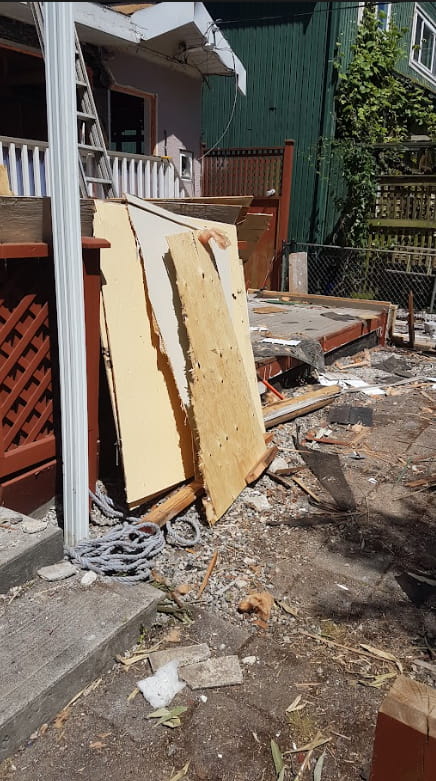
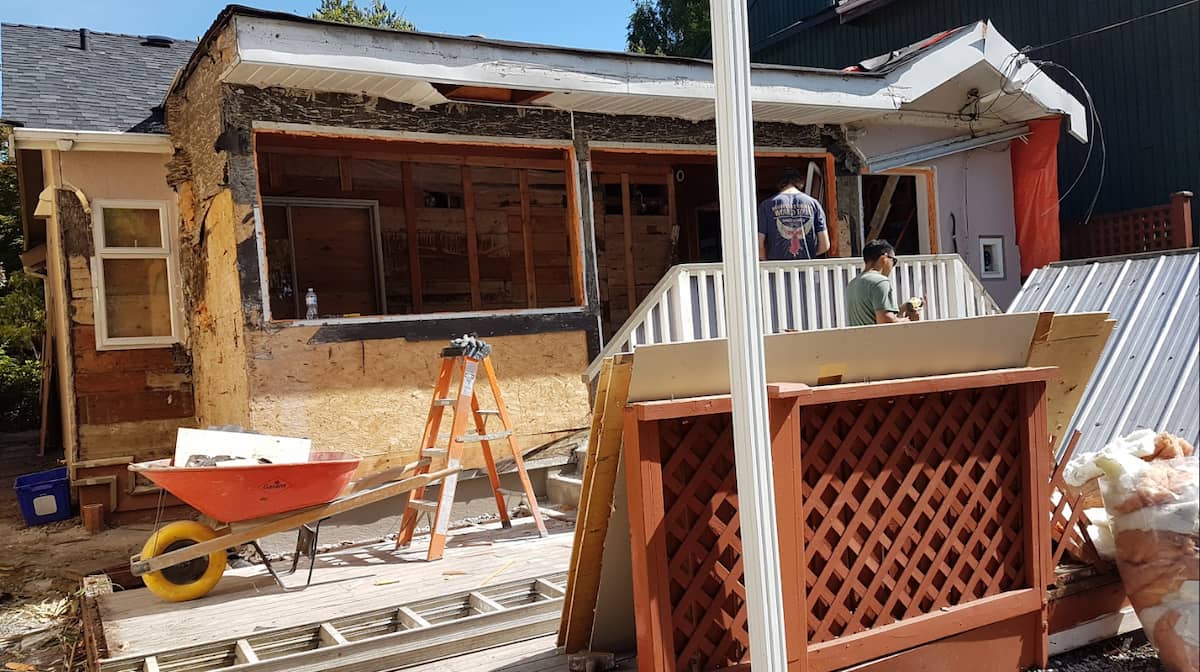
Not every project needs a machine on the lot. Roughly two thirds of what we do in Vancouver is interior work inside buildings that are staying up, and the scope you need changes the permit path, the price and the schedule.
Interior and selective demolition
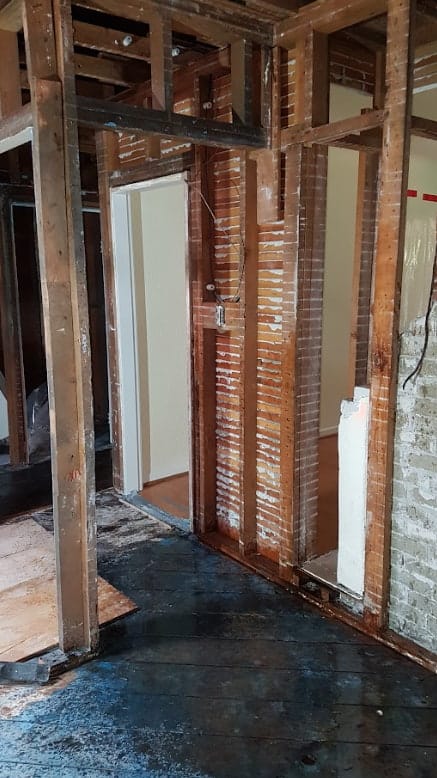
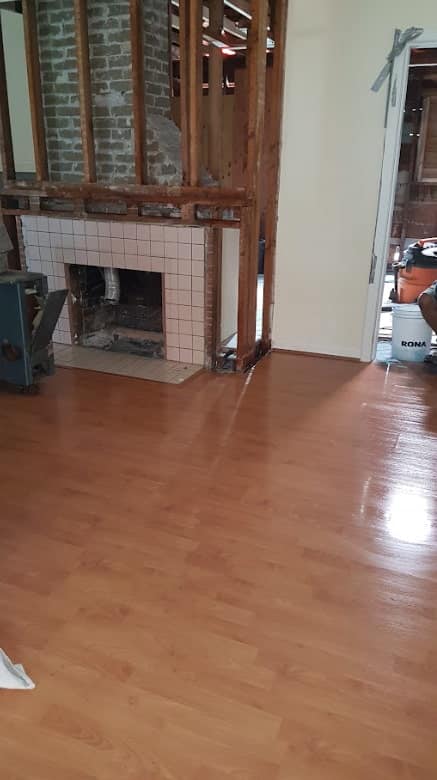
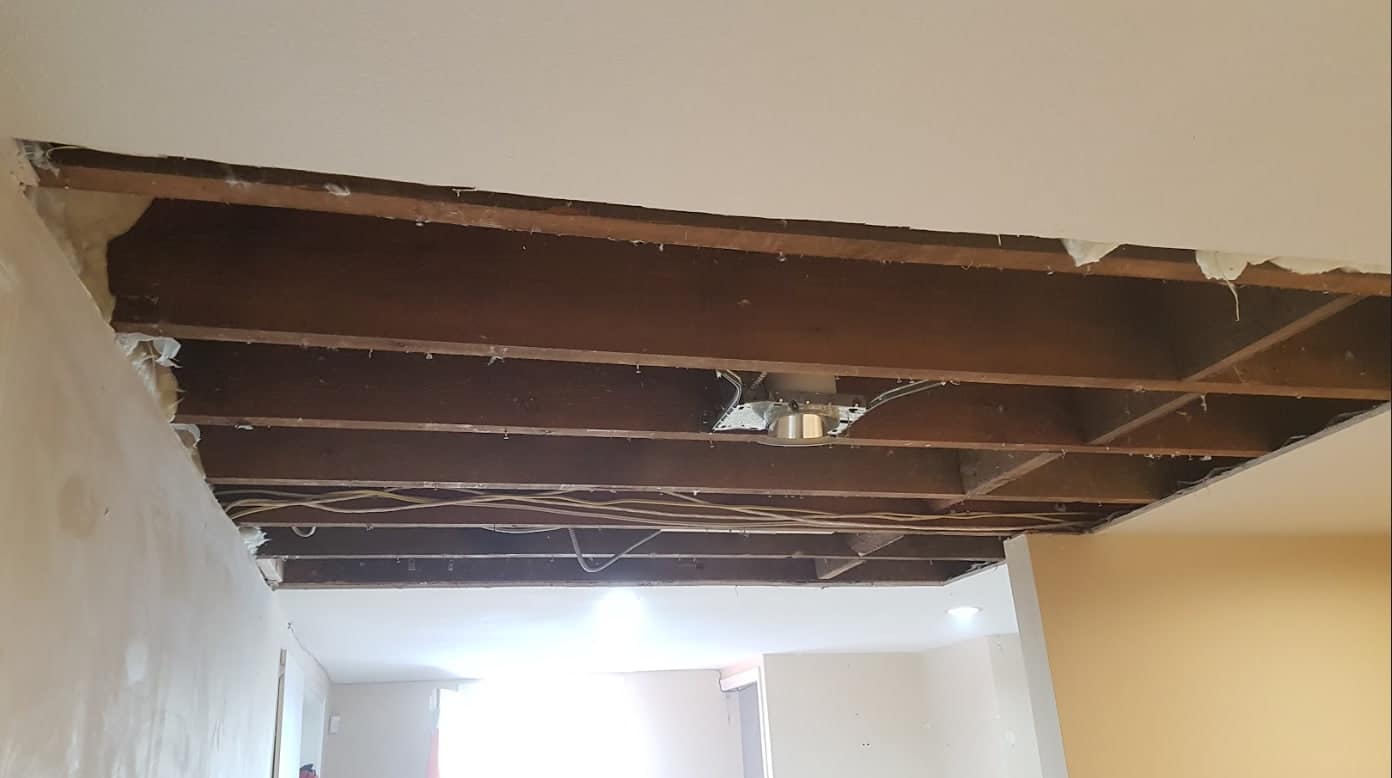
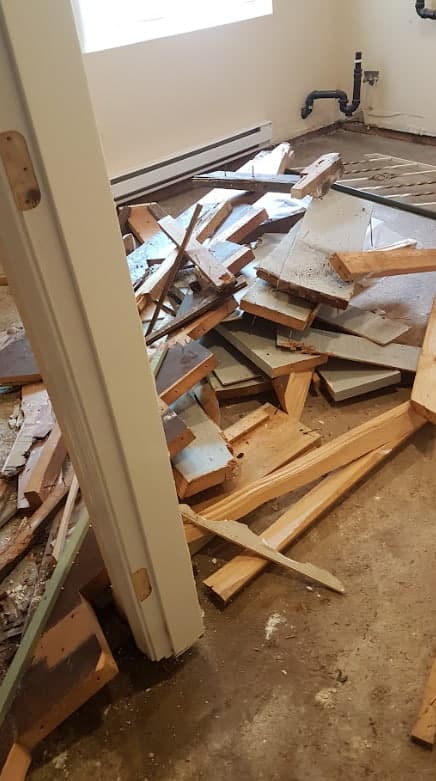
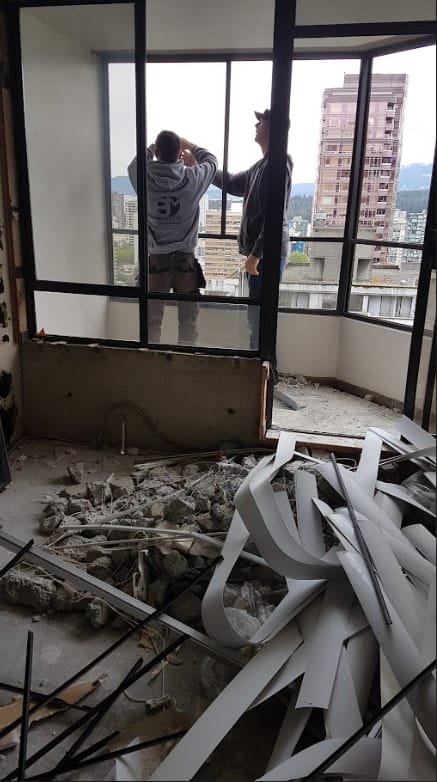
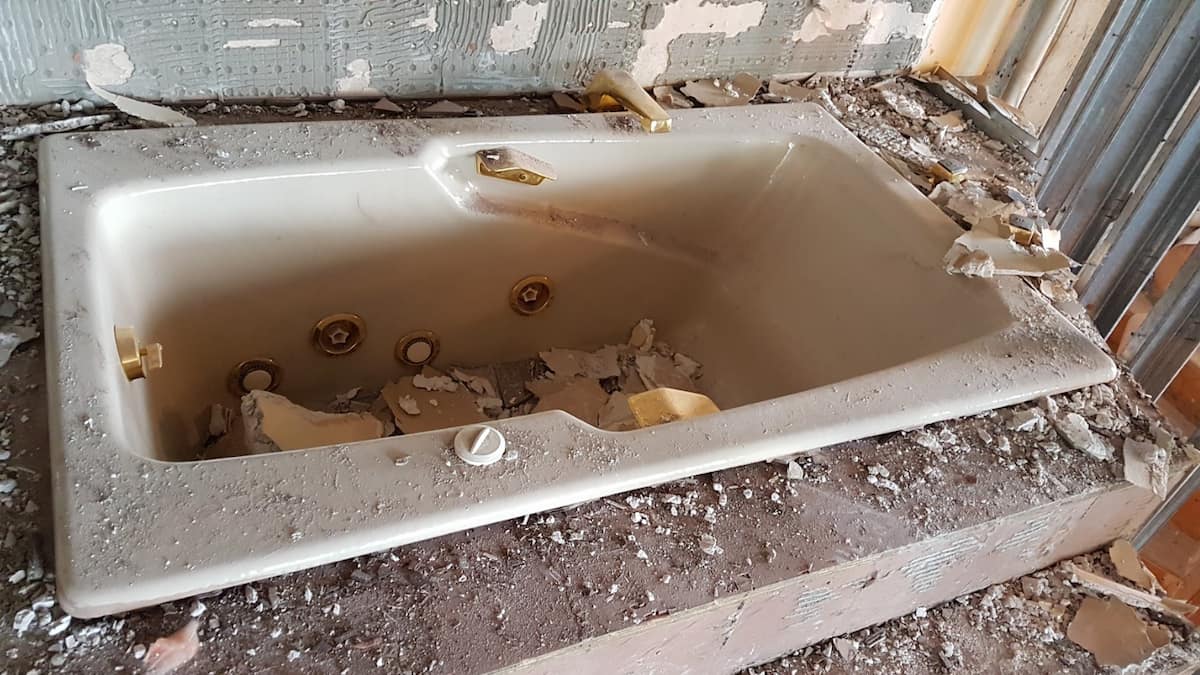
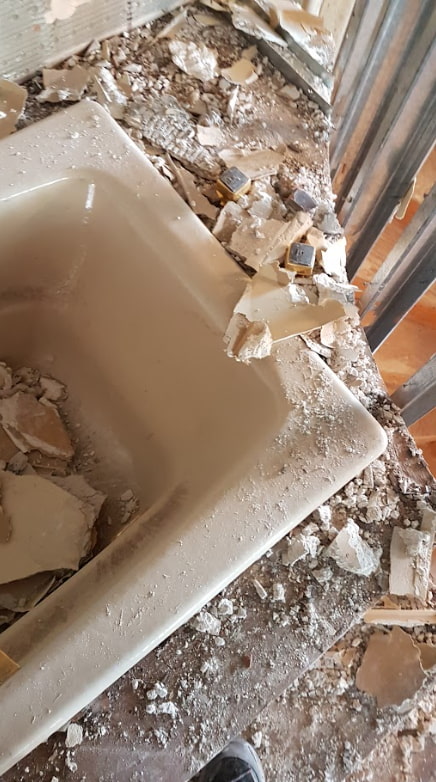
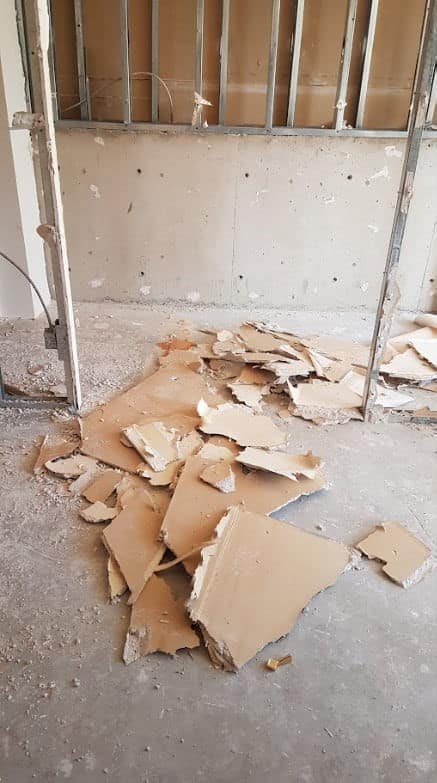
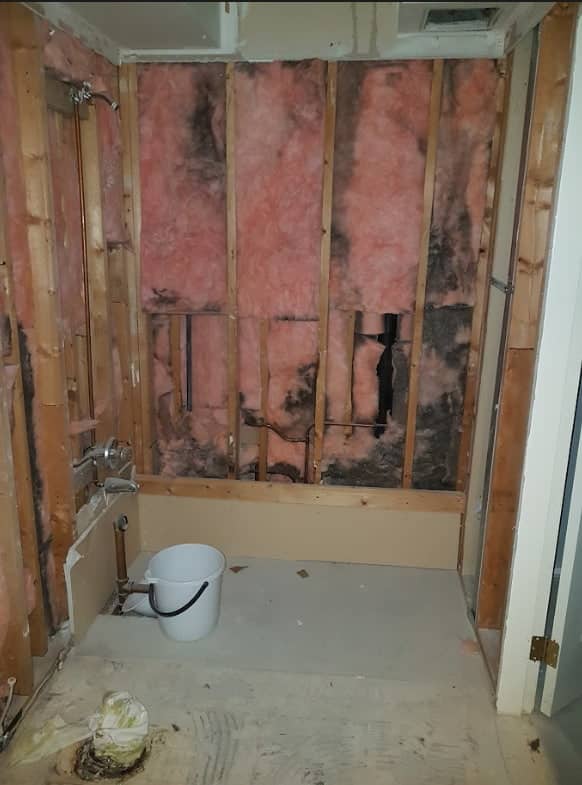
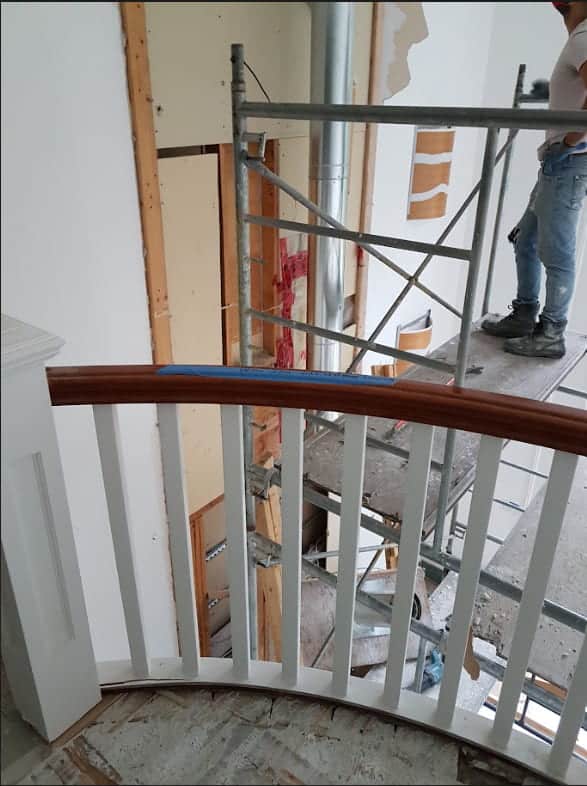
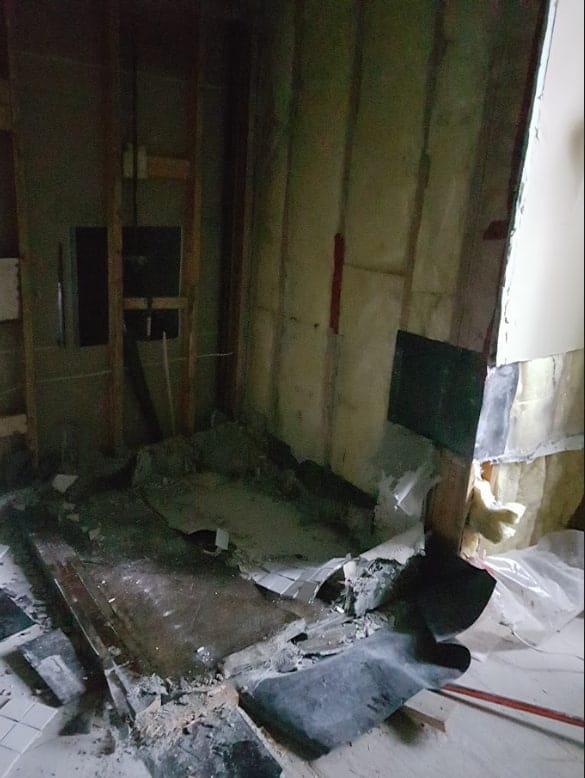
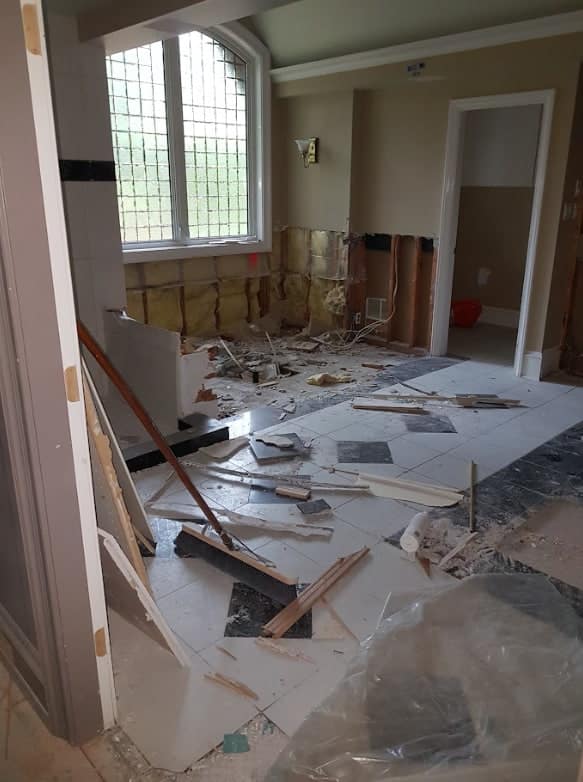
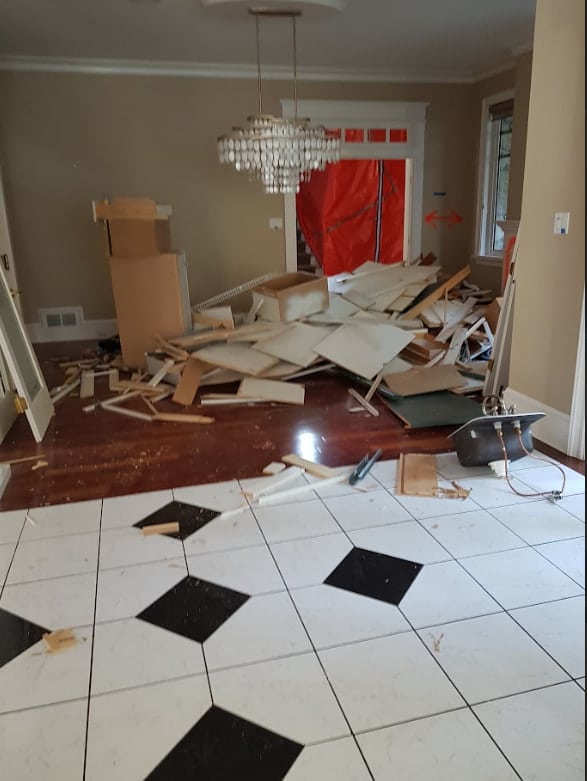
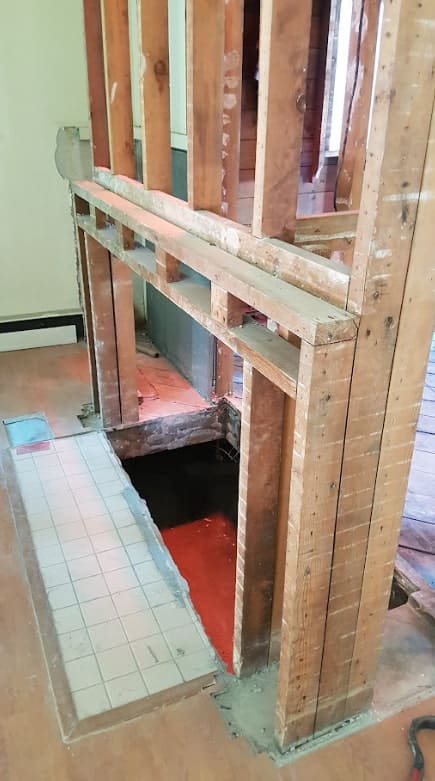
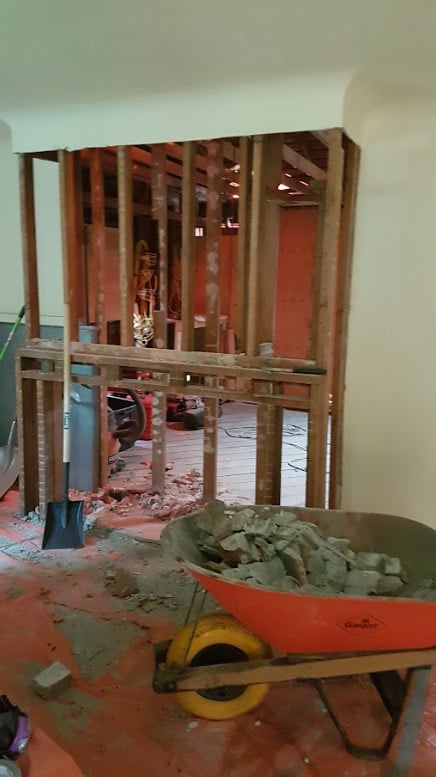
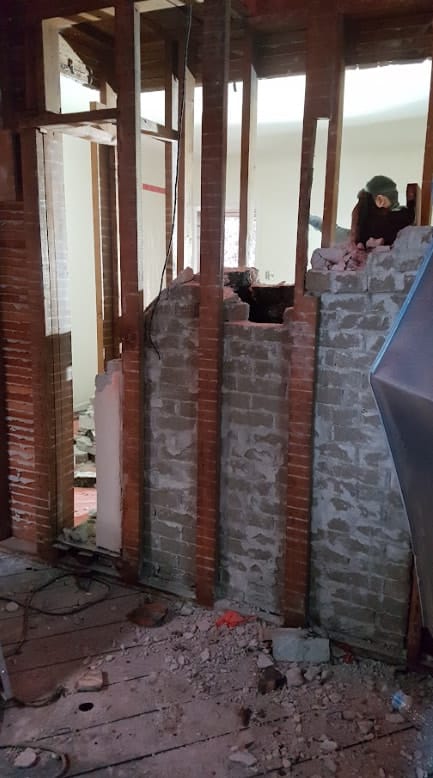
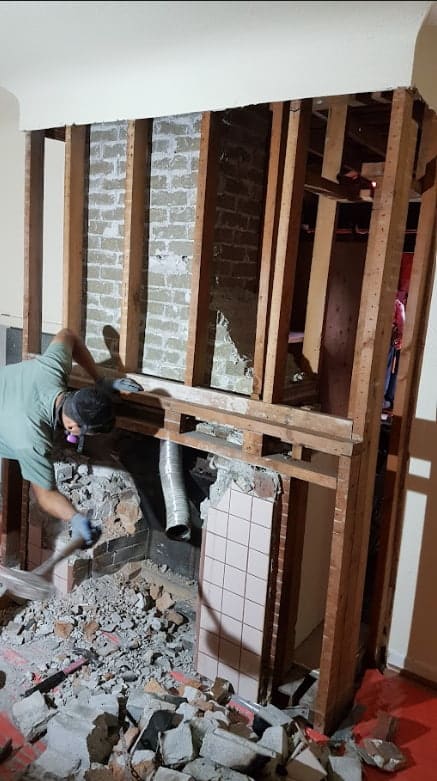
Gutting a kitchen, bathroom, basement or full floor plate back to studs and subfloor, ahead of a renovation. This is the work that sits closest to our abatement side, because almost every pre-1990 Vancouver interior contains something that has to be tested first: drywall joint compound, textured ceilings, sheet flooring, or pipe and duct insulation. We contain the work area, run negative air where required, protect the parts of the home that are staying, and hand back a clean shell ready for framing.
Full residential demolition
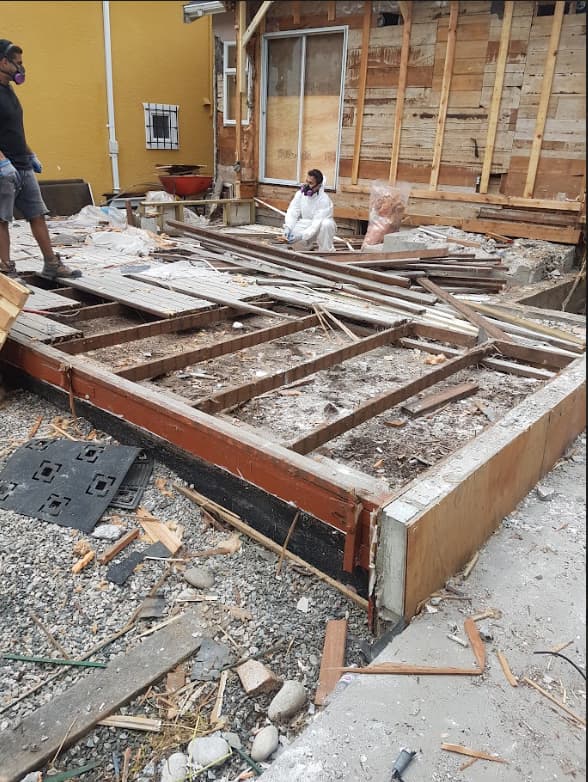
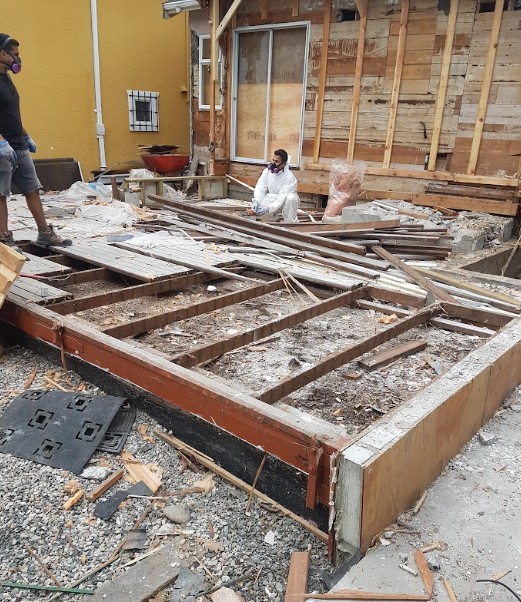
Complete teardown of a house ahead of a rebuild, including foundation removal, backfill and site clearance. This is where the Green Demolition By-law table above governs everything, and where we take responsibility for the recycling plan, the weigh tickets and the compliance report so that your deposit comes back.
Commercial and retail strip-outs
Tenant improvement demolition in offices, restaurants and retail units, most often downtown, along the Broadway corridor and through Mount Pleasant. These projects usually run after hours or on weekends, in buildings that stay occupied around the work, so containment and dust control matter more than speed.
Garages, sheds and accessory structures
Detached garages, carports, sheds and old additions. Small scopes, but they still trigger a permit in most cases and they very often contain asbestos cement board, stucco or asphalt products from the same era as the main house.
How a Vancouver demolition project actually runs, stage by stage
The order below is the one the City expects. Skipping or reordering a step is what causes rework, and we walk clients through it on the first site visit rather than after a permit gets held.
- Site visit and scope: We walk the property, confirm what is coming out, and identify suspect materials by eye and by construction era.
- Sampling and lab analysis: Suspect materials are sampled and sent for analysis. Results typically return within two to three business days.
- Hazardous Building Material Report: A Qualified Professional documents every material tested and the result, which is the document the City and WorkSafeBC both rely on.
- Permit documents: Recycling and Reuse Plan, contractor declaration, arborist report if permit sized trees are present, and utility disconnection confirmations.
- WorkSafeBC Notice of Project, filed at least 24 hours before abatement begins.
- Abatement:Confirmed hazardous materials are removed under containment, followed by clearance air monitoring where the scope requires it.
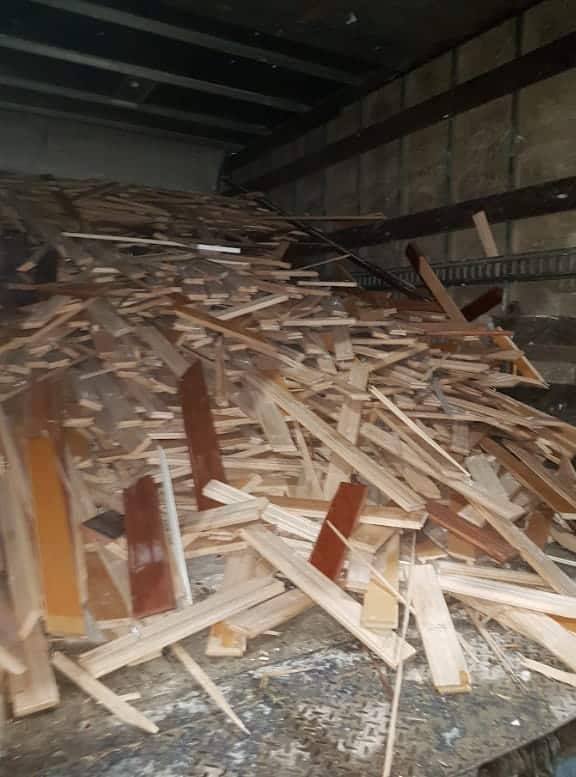
- Demolition and salvage: The structure comes down with materials separated on site rather than mixed, which is what protects the diversion rate.
- Disposal, weigh tickets and compliance report. We compile the receipts, file the Recycling and Reuse Compliance Report, and the site is left graded and clear for your final inspection.
Neighbourhoods we work in across Vancouver
The city is not uniform, and the age of the housing stock changes the job considerably from one side of Main Street to the other.
Kitsilano, Dunbar and Point Grey hold a dense concentration of pre 1950 homes, which means the 75 percent and 90 percent diversion thresholds apply to most teardowns here. Character house assessments are common, lots are narrow, and neighbour proximity limits how much equipment we can bring in at once.
Mount Pleasant, Riley Park and Grandview-Woodland are the busiest areas for us. Older detached homes are being gutted rather than removed, and a large share of the work is interior demolition tied to laneway house and multiplex projects. Vermiculite in the attic and stipple on the ceilings are the two most frequent findings.
Strathcona and Chinatown have the oldest stock in the city, and pre 1910 buildings here often fall under the mandatory deconstruction rule. Heritage Register status needs to be checked before any application is filed.
Downtown, the Broadway corridor and Olympic Village are commercial territory. Strip-outs in occupied towers, restricted freight elevator access, strict noise windows and building management coordination define the work more than the demolition itself does.
East Vancouver, Renfrew-Collingwood and Killarney carry a large volume of 1950s to 1970s bungalows. These fall outside the mandatory diversion rate but almost always contain asbestos in drywall compound, flooring and insulation.
What drives the cost of demolition in Vancouver
We quote every project after a site visit rather than over the phone, because the variables below move a price far more than square footage does.
- Hazardous materials found. The volume and type of asbestos containing material is usually the largest single cost variable on a pre 1990 building.
- Diversion requirement. A 90 percent character house target requires hand separation of materials, which takes more labour hours than a post 1950 teardown.
- Access. Lane access, driveway width and how close we can position a bin to the structure change the labour hours significantly.
- Foundation and basement. Removing a full concrete basement is a different scope to a slab or crawlspace.
- Occupancy. Work in an occupied building requires containment, after hours scheduling and daily reinstatement.
- Trees. Permit sized trees on or adjacent to the site require an arborist report and protective fencing before work starts.
Asbestos testing is charged at $270, and where testing confirms asbestos and you proceed with us, that fee is credited toward the abatement cost. Demolition scopes start from [Saeed to confirm figure before publication].
Related services in Vancouver
Most demolition projects in this city touch at least one of the services below, and all of them are performed by our own crew rather than subcontracted.
- Asbestos removal in Vancouver: abatement under WorkSafeBC containment before demolition begins
- Asbestos testing in Vancouver: sampling, lab analysis and the written report the City requires
- Deconstruction services: hand dismantling for pre 1910 and Heritage Register properties
- Hazardous waste disposal: documented disposal of regulated materials
- Lead paint removal: common in pre 1980 Vancouver interiors
- Mould remediation: frequently uncovered once wall cavities are opened
Areas We Serve
We serve many areas, including the following:
If your area isn’t listed, give us a call—we’ll do our best to help!