


City or District? Which authority issues your demolition permit
North Vancouver is two municipalities sharing a name. The City of North Vancouver covers the denser Lonsdale core and the flats around it. The District of North Vancouver wraps around it and covers Lynn Valley, Deep Cove, Edgemont, Capilano and the areas up the mountain. Your postal address will not always make it obvious, so this is the first thing we confirm on a site visit.
City of North Vancouver (CNV) | District of North Vancouver (DNV) | |
|---|---|---|
Typical areas | Lower and Central Lonsdale, Grand Boulevard, Moodyville, Marine Drive flats | Lynn Valley, Deep Cove, Dollarton, Edgemont, Capilano, Seymour, Upper Lonsdale |
Hazmat trigger | Hazardous Material Assessment Report required before Manager’s Approval to Proceed is issued | Hazardous materials survey required by WorkSafeBC for any building built before 1990 |
Separate approval to start abatement | Yes. A Manager’s Approval Permit must be issued and posted on site | No separate municipal abatement permit, but written confirmation of safe removal must be submitted |
Clearance requirement | Hazardous Materials Clearance Letter from a qualified company | Written confirmation from a qualified person that materials were removed or contained |
Additional documents | Demolition Waste Checklist from the licensed demolition contractor | Standard demolition permit conditions plus tree and slope requirements where applicable |
The City of North Vancouver sequence, in order
CNV runs a genuinely step by step process, and each step gates the next one. Working out of order is the most common cause of delay we see here.
- Install the site toilet, safety fencing and signage.
- Book a site safety inspection with the City.
- Submit the Hazardous Material Assessment Report and the WorkSafeBC Notice of Project for asbestos removal. The assessment can be done at any point, but the report must be in before the next step.
- Once the safety inspection passes, request the Manager’s Approval Permit to begin hazardous materials removal.
- Post the Manager’s Approval Permit on site and carry out the abatement.
- Provide the Hazardous Materials Clearance Letter confirming the asbestos listed on the Notice of Project has been properly removed.
- Provide the completed Demolition Waste Checklist from the licensed demolition contractor.
- Proceed to demolition. Heritage Registry properties require additional approvals from Planning before any of this begins.
Notice what steps three, six and seven have in common. All three are documents that can only be produced by a company qualified to do abatement. We produce them from our own work, which is why our clients here are not chasing two contractors for paperwork.
What we find inside North Vancouver buildings
The residential stock across both municipalities is heavily weighted to the 1955 to 1985 construction period, and that era is consistent enough that we can usually predict what sampling will turn up before the lab confirms it.
- Popcorn and stipple ceiling texture, applied through most homes built before 1990 and frequently containing chrysotile asbestos
- Vermiculite attic insulation, present in a high proportion of local homes built before 1985
- Pipe and duct insulation, common in mechanical rooms and crawlspaces in Lynn Valley and Deep Cove bungalows
- Drywall joint compound and texture coats, found throughout the pre 1990 stock
- Exterior and garage stucco, which frequently tests positive from this era
- Asbestos cement board on garages, sheds and utility rooms
If you are not yet sure whether any of this applies to your building, asbestos testing in North Vancouver is charged at $270, and that fee is credited toward the removal cost if testing confirms asbestos and you proceed with the work.
The demolition work we do most often in North Vancouver
The mix here is different from Vancouver proper. Lot sizes are larger, houses are newer on average, and a much higher share of projects are renovations rather than teardowns.
Interior strip-outs ahead of renovation
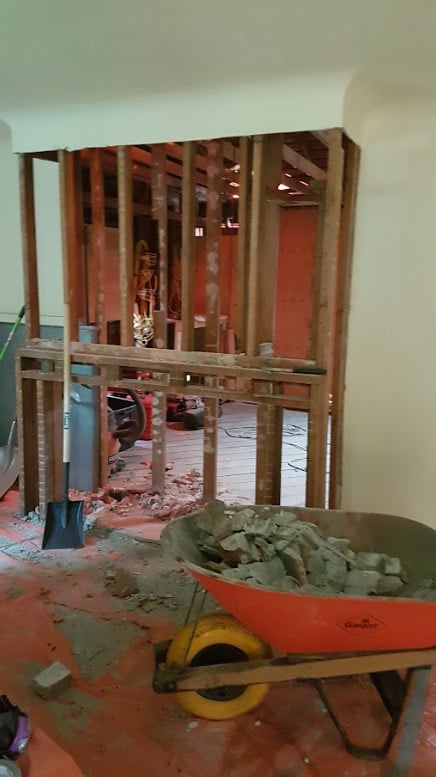
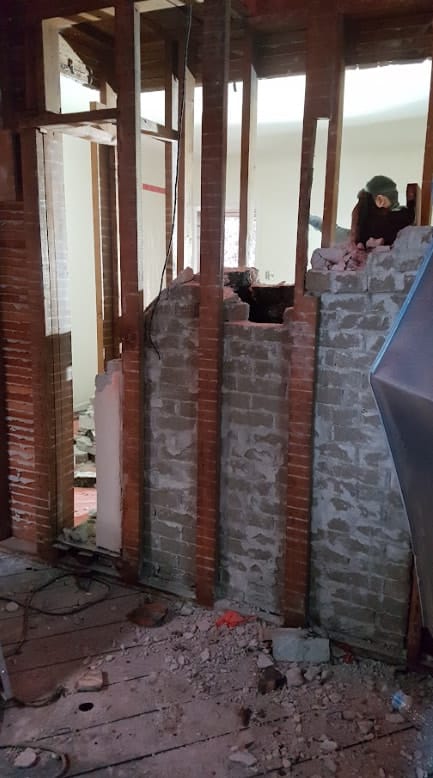
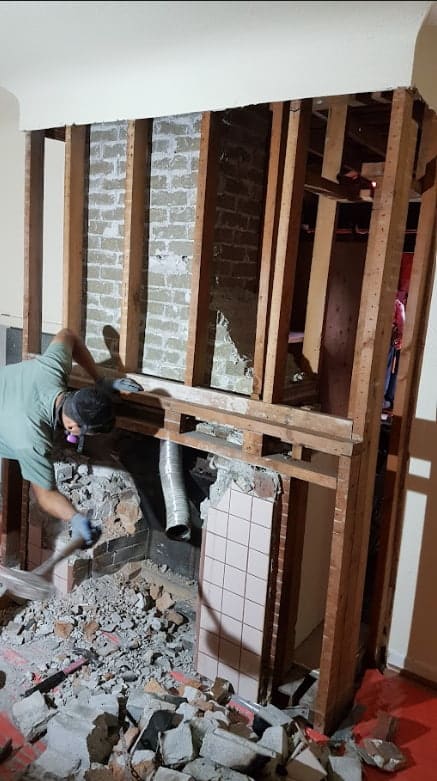
The largest category. Basements, kitchens, bathrooms and full main floors taken back to studs in homes that families are still living in, or moving back into. We seal the work area, protect the routes in and out, and keep the rest of the house usable while we work.
Garages, carports and additions
Detached garages and 1960s carports come down constantly here, usually to make room for a new build or a garden suite. These are short scopes, but the cement board and stucco on them almost always requires testing first.
Full residential teardown
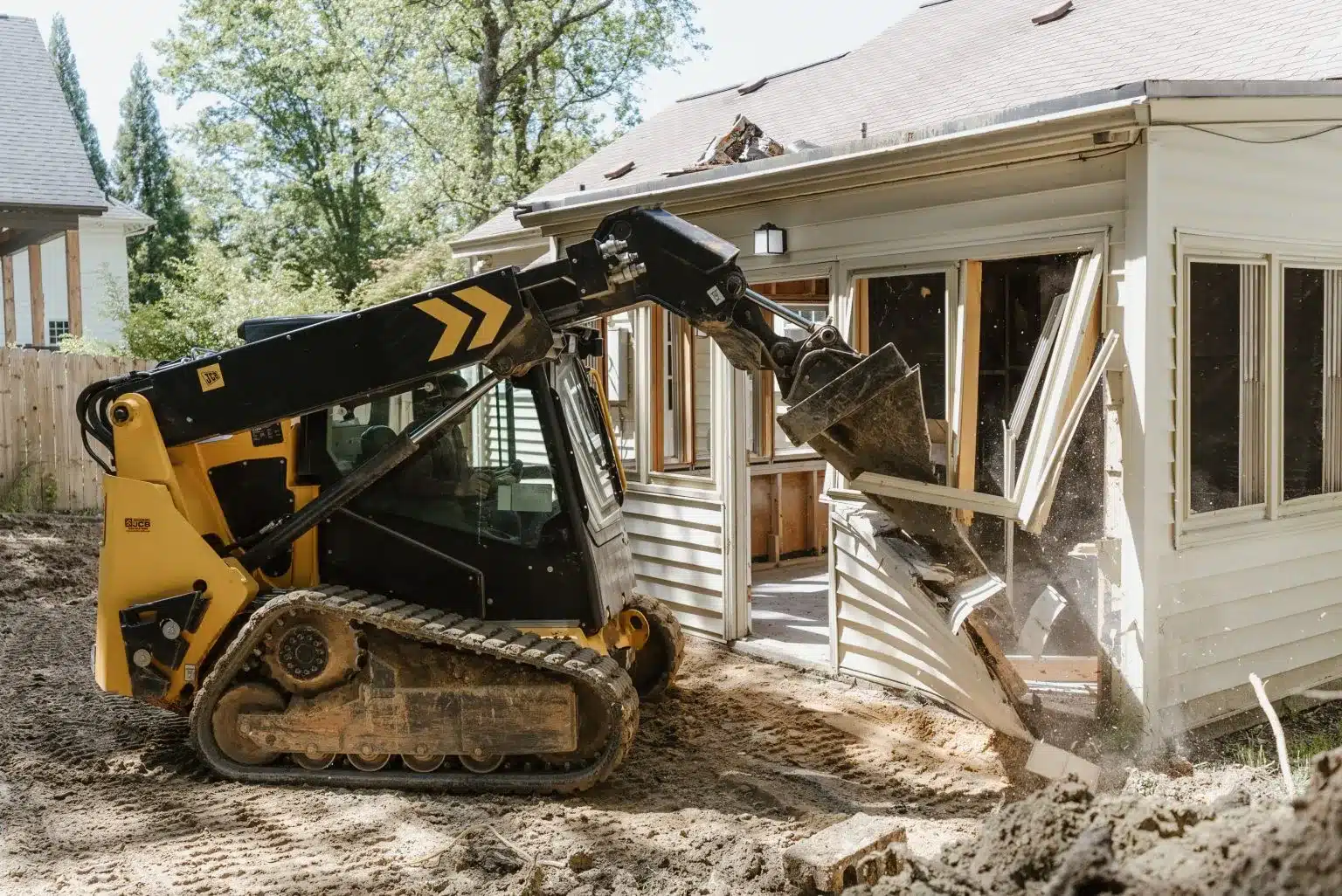
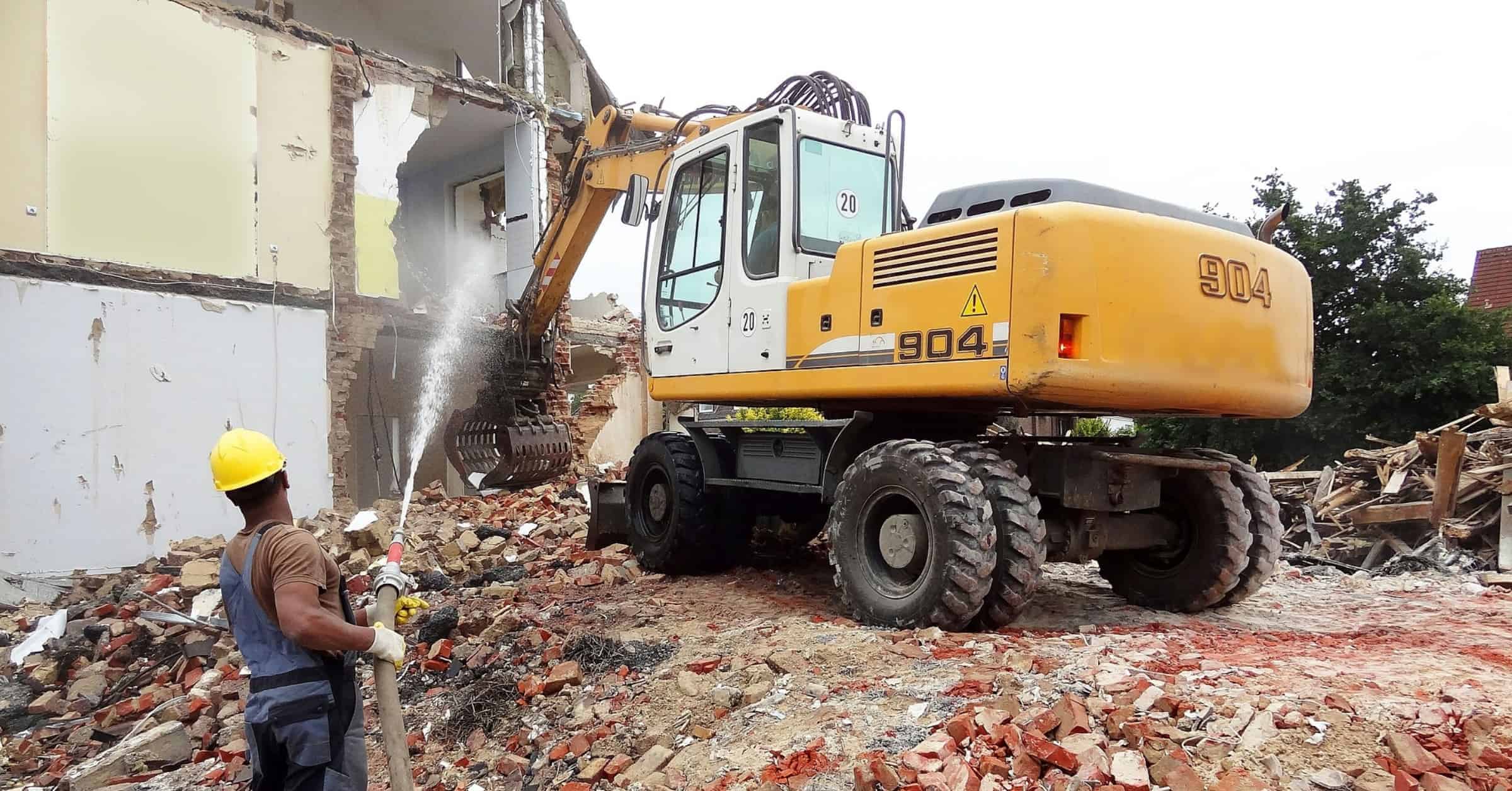
Complete removal of a house, foundation and all, ahead of a rebuild. On the District side, sloped lots and creek setbacks often dictate the sequence and where machinery can sit, which we assess on the first visit.
Multi-family and commercial demolition on the Lonsdale corridor
Redevelopment through Lower and Central Lonsdale generates strip-outs and full removals in low rise apartment buildings and street level commercial units. These jobs run alongside occupied neighbours, so containment and scheduling around residents drive the plan.
Neighbourhoods we work in
These are the areas where we are on site most weeks, and what tends to be different about each of them.
- Lynn Valley has a dense run of 1960s and 1970s single family homes and the highest renovation activity in the District. Combined scopes involving several material types in one project are normal here.
- Deep Cove and Dollarton properties are older and have generally seen fewer renovations, so original materials are often still in place and untested. First time sampling here frequently returns multiple positives. Narrow roads and steep driveways also limit bin placement.
- Lower and Central Lonsdale mix older detached homes with low rise apartment buildings from the same era. We handle both residential and strata scopes here, and strata work needs council approval and notice to residents built into the schedule.
- Edgemont Village and Capilano have a high proportion of larger 1960s and 1970s homes. Pre renovation hazmat surveys ahead of major work are the most common request from this area.
- Grand Boulevard and Moodyville sit inside the City, where heritage character is a live consideration and Heritage Registry status needs checking before an application goes in.
- Seymour and Blueridge are more spread out with larger lots, which makes machine access easier but adds travel and disposal distance to the schedule.
Scheduling and how much notice we need
Being based here changes the numbers, so here is what to plan around.
- Site visit: same day is standard in North Vancouver, and for urgent situations where a trade is waiting we can often attend within hours.
- Testing results: typically two to three business days from sampling.
- Project start: one to two weeks for a standard residential scope once the project is confirmed.
- Confirmation notice: we ask for a minimum of 48 hours before the agreed start date.
Areas We Serve
We serve many areas, including the following:
If your area isn’t listed, give us a call—we’ll do our best to help!