What Counts as an Asbestos Roof Tile?
The phrase asbestos roof tile is often used broadly. A property owner may be referring to rigid asbestos-cement tiles, flat roofing shingles, corrugated cement sheets or another roofing component that contains asbestos. These products can look similar to non-asbestos materials, especially after decades of weathering, repairs and coating.
Appearance alone cannot confirm asbestos. The product type, condition, fastening method and laboratory findings all affect the removal scope. Before quoting removal, we need a reliable report that identifies the material and the area where it is located.
Asbestos-Cement Roof Tiles
These are rigid, cement-based units reinforced with asbestos fibres. They may appear as flat or shaped tiles and are commonly described as fibre-cement, cement slate or asbestos slate. An intact tile can be relatively stable, but age, impact, fastener removal and careless handling can cause breakage.
Asbestos Roofing Shingles
Some older roofing shingles and asphalt-based roofing products incorporated asbestos for durability, strength or fire resistance. Layers may be hidden beneath newer roof coverings, which means the material may not be discovered until repair, replacement or demolition work begins.
Corrugated Asbestos-Cement Roofing
Corrugated asbestos-cement sheets were used on some garages, sheds, workshops, agricultural buildings and commercial structures. Their large format, roof height and fragile condition can create both asbestos-control and fall-protection considerations.
Roof Felt, Mastics and Associated Materials
A roofing project may involve more than the visible outer layer. Older felts, flashings, mastics, coatings, siding at roof transitions and nearby soffit materials can also require assessment. A complete scope should identify every suspect material likely to be disturbed, not only the top layer.
Do You Need Testing or Removal?
The right first step depends on what you already know. Do not rely on colour, texture, age or a contractor’s visual opinion to decide whether roofing contains asbestos.
You Suspect Asbestos but Do Not Have a Report
Pause any work that could disturb the roofing and arrange asbestos testing or a hazardous materials inspection. This commonly applies before reroofing, structural renovation, partial demolition, full demolition, solar installation, skylight work or repairs that require cutting through older roofing layers.
Our asbestos testing service can help establish whether the suspect roof material contains asbestos and document the affected location. If other parts of the building will also be disturbed, a broader Hazmat survey may be required.
Your Report Confirms Asbestos
Send us the laboratory result or Hazmat report with clear roof photos, the property address, approximate roof area and your planned work. We will review the identified material, access conditions and project sequence before preparing a removal scope and estimate.
A positive result does not automatically mean the entire roof must be removed. The required scope depends on which material contains asbestos and what the roofing, renovation or demolition work will disturb.
Why Professional Roof Tile Removal Matters
Roofing materials are exposed to years of sun, rain, wind, freeze-thaw cycles, maintenance and foot traffic. A product that was once firm may become cracked, brittle or delaminated. Removal can also place stress around nails, screws, overlaps and edges.
Professional planning is important because the project combines hazardous-material control with roof-access hazards. The crew must protect workers, occupants, neighbouring areas and the ground below while controlling debris and preventing uncontrolled breakage. The work also needs to fit the roofer’s schedule so the building is not left unnecessarily exposed.
Do not pressure-wash, sand, grind, drill, saw, sweep or break suspected asbestos roofing. If damaged material has fallen from the roof, keep people away from the area and contact a qualified professional for assessment.
Requirements Before Asbestos Roofing Is Disturbed in BC
British Columbia requires asbestos hazards to be identified and controlled before renovation, demolition or other work that may disturb building materials. WorkSafeBC guidance places responsibilities on the owner, employers and the prime contractor, depending on the project arrangement.
Before removal starts, the project may require the following:
- A hazardous materials inspection completed by a qualified person
- Laboratory results and a written report identifying asbestos-containing materials
- A licensed asbestos abatement contractor with appropriately certified workers
- Written safe work procedures and a project-specific exposure control plan
- A Notice of Project submitted to WorkSafeBC when required
- Roof-access and fall-protection planning for the actual site conditions
- Compliant packaging, transport and disposal arrangements
- Written post-abatement confirmation by a qualified person
WorkSafeBC states that the Notice of Project for asbestos must be submitted at least 48 hours before actual removal, including preparatory work, when the requirement applies. The inspection report and relevant site documentation must also be available to workers whose activities could disturb the material.
Synchron plans the abatement scope around the applicable requirements. Your roofer, general contractor, property manager or demolition contractor should receive the relevant report and handoff documentation before their work begins.
Roof Tile Removal for Different Property Types
Homes and Residential Properties
We support detached homes, townhouses, rental properties, garages, sheds and other residential structures. Planning considers occupants, neighbours, landscaping, driveway access and the timing of roof replacement.
Strata and Multi-Unit Buildings
Strata projects may require council approval, resident communication, access scheduling and coordination with the property manager. The scope should clearly identify common-property areas and any units or balconies affected by access controls.
Commercial Buildings
For offices, retail properties, warehouses and other commercial sites, removal may need to be phased around tenants, customer access, deliveries and operating hours. Larger or industrial roofing projects are reviewed separately based on site complexity and operational hazards.
Garages, Workshops and Accessory Buildings
Smaller structures can still contain asbestos-cement tiles or corrugated sheets. Their roof panels may also be fragile, so building condition and safe access must be assessed before work starts.
Our Asbestos Insulation Removal Process
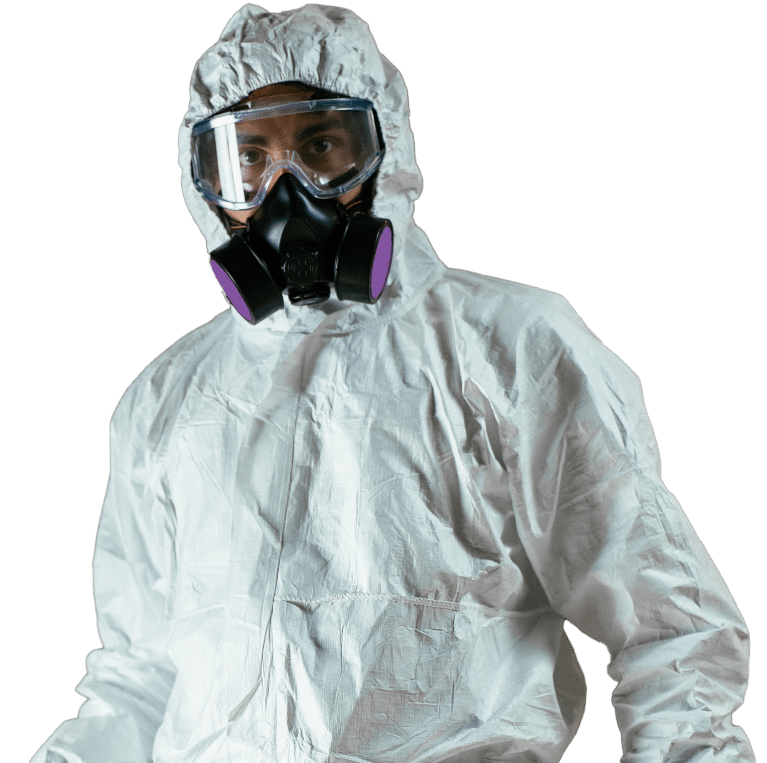
This is what removal looks like when it is done properly, with control at every step.
Report, Roof and Access Review
We begin with the asbestos test result or Hazmat report, property type, planned roofing work and available photos. The team then reviews roof height, pitch, access points, material condition, fasteners, surrounding surfaces and the area below. If the report does not cover every material that may be disturbed, we identify the additional assessment needed before finalizing the scope.
Written Scope, Safety Plan and Coordination
Your written estimate identifies the roofing material included, approximate area, access assumptions, preparation, project controls, cleanup, waste handling and expected sequence. Because roof work is sensitive to weather and timing, we coordinate with the owner and, when requested, the roofer or general contractor to clarify responsibilities and reduce the gap before weatherproofing.
Site Preparation and Controlled Removal
Certified workers establish the required controlled work area, restrict access and follow the project-specific safe work and fall-protection procedures. Roofing components are handled in a way intended to limit breakage and fibre release. The exact controls depend on the material, its condition, the removal method and the project risk assessment.
Cleanup, Packaging and Approved Disposal
The work area and affected access route are cleaned according to the project procedures. Removed asbestos-containing roofing and related debris are placed in appropriate labelled packaging or containers for controlled transport to a facility authorized to receive asbestos waste.
Post-Abatement Verification and Handover
A qualified person provides the required written confirmation that the asbestos materials identified in the scope were safely contained or removed. Additional air monitoring is arranged where the project and applicable requirements call for it. Once the area is released, the roofing or demolition contractor can proceed. Available closeout documentation identifies what was removed and whether any known asbestos-containing materials remain outside the work area.
Get a Free Quote
We’ll provide a detailed estimate with transparent costs so you know exactly what to expect. No hidden fees, just straightforward pricing.
What If the Roof Is Damaged or Leaking?
A leak does not confirm asbestos, but it can make the project more urgent. Do not climb onto a suspect roof, cover it by fastening through the material or remove broken pieces yourself. Keep people away from fallen debris and avoid moving it through the building.
Contact us with photos taken from a safe location and describe the damage, active leak, property type and known test results. We can help determine whether testing, temporary coordination or an abatement scope is needed before the roofer repairs the building.
If roofing work is already underway and a hidden suspect layer is discovered, stop disturbance in that area. WorkSafeBC guidance requires work to cease when suspected asbestos is encountered until the material is identified and the required controls are implemented.
Coordination With Your Roofing or Demolition Contractor
Synchron removes the identified asbestos-containing roofing. Installation of the replacement roof is normally completed by a roofing contractor. Keeping these scopes separate and coordinated prevents confusion about weatherproofing, decking repairs, material delivery and site access.
Before work begins, the project team should agree on:
- Which roofing layers and associated materials are included in the asbestos scope
- Who provides scaffolding, lifts, edge protection or other access systems
- The planned handoff time between abatement and reroofing
- Who handles non-asbestos demolition, damaged decking and structural repairs
- How the building will be protected if weather changes
- What closeout documents must be provided before the next trade starts
If the project includes full building demolition, our demolition services can be planned after the hazardous-material scope is confirmed and completed.
What Affects Asbestos Roof Tile Removal Cost?
The removal of asbestos roof tiles is priced according to the actual scope and site conditions. A simple cost per square foot can be misleading when two roofs have different access, pitch, material condition or coordination needs.
Key cost factors include:
- Roof area and quantity of asbestos-containing material
- Whether the material is tile, shingle, corrugated sheet, felt or another component
- Material condition and likelihood of breakage
- Roof height, pitch and safe access requirements
- Need for scaffolding, a lift or additional fall-protection systems
- Occupied areas, neighbouring properties and ground-level protection
- Testing, Hazmat reporting and post-abatement inspection requirements
- Waste volume, packaging, transport and disposal charges
- Weather constraints and coordination with other contractors
For a more accurate estimate, send the test report, roof dimensions if available, photos from several safe viewpoints and the planned date for reroofing or demolition.
How Long Does Removal Take?
Project duration depends on roof size, access, material type, condition, weather and required documentation. A small accessory building may be completed faster than a multi-level home, strata property or commercial roof. The schedule must also account for preparation, controlled removal, cleanup, inspection and waste handling.
We provide a project-specific schedule after reviewing the report and site. Because the roof protects the building from weather, the abatement and reroofing sequence should be confirmed before either contractor begins.
Other Asbestos removal Services
Areas We Serve
We proudly serve these locations:
If you don’t see your area, give us a call. We’ll do our best to help you.