How is asbestos-containing material measured? In plain language, “measured by” means two things: the lab method used to test the material, and the percentage the lab reports. This article explains both, so you can read a lab report with confidence.
Asbestos hides in building materials the way dust hides in sunlight. You only notice it when the light hits just right, and by then you want clarity, not guesswork. In Vancouver homes built before the early 1990s, that clarity often comes from measuring asbestos-containing material, known as ACM, and understanding when asbestos removal may be necessary. Knowing how ACM is measured makes renovations and removals safer and keeps homeowners on the right side of BC regulations.
Understanding What ACM Means
Asbestos-containing material refers to any construction material that holds asbestos fibres. Its presence doesn’t automatically spell danger. What matters is the amount of asbestos, the type of fibre, and whether the material can easily crumble. These factors come together to define ACM and determine how it must be handled under WorkSafeBC rules. That’s why measurement matters: it’s about knowing what you’re touching before you disturb it.
What “Measurement” Refers To in Asbestos Testing
People often imagine measurement as one number, but asbestos testing actually looks at several things. Labs check whether asbestos is present, what kind of fibre it is, and the percentage of asbestos by weight. Sometimes they measure airborne fibres instead, recorded as fibre concentration in the air. These details build a full picture of risk. Renovation dust, crumbling insulation, or flaky drywall compound each create different scenarios, and measurement helps classify them correctly.
Analytical Methods Used to Measure ACM
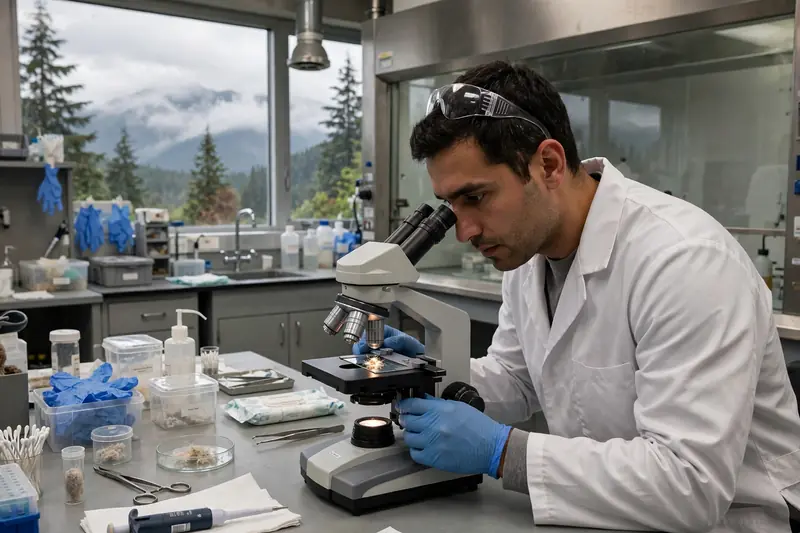
Laboratories use specialised microscopy techniques to determine what’s in your material.
Polarized Light Microscopy (PLM)
PLM is the standard tool for bulk material testing across BC. It identifies asbestos types and determines the percentage within materials like drywall compound, vinyl tiles, plaster, or flooring adhesives.
Transmission Electron Microscopy (TEM)
TEM provides higher magnification and is particularly useful for materials such as vermiculite or samples where fibres are extremely fine. Its sensitivity makes it essential when standard methods aren’t enough.
Phase Contrast Microscopy (PCM)
PCM isn’t used to test materials. Instead, it measures fibre concentration in the air. It’s the method used when checking if a space is safe to reoccupy after abatement.
Main Laboratory Methods for Measuring Asbestos
| Method | What it measures | Best for |
|---|---|---|
| PLM (polarized light microscopy) | Fibre type and percentage in bulk material | Most building materials; standard first test |
| TEM (transmission electron microscopy) | Very low concentrations and fibre counts | Air samples; confirming low-level results |
| PCM (phase contrast microscopy) | Airborne fibre concentration | Workplace and clearance air monitoring |
| XRD (X-ray diffraction) | Mineral composition of a sample | Confirming fibre type in complex samples |
| SEM (scanning electron microscopy) | Fibre shape and surface detail | Research and disputed samples |
How Labs Report Asbestos Measurements
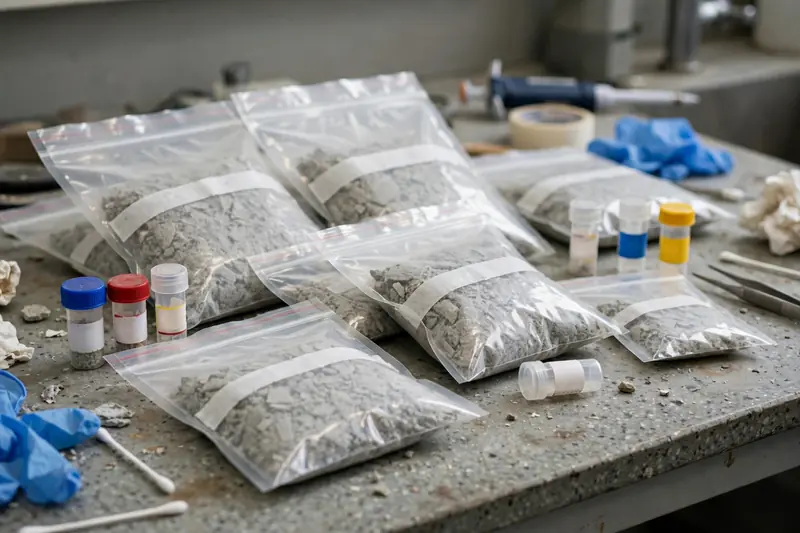
Lab reports translate testing into practical numbers.
Percentage by Weight
For solid materials, asbestos is measured as a percentage by weight. In Canada, a material is considered asbestos-containing when laboratory analysis finds more than one percent asbestos by weight. Even lower percentages can be treated cautiously depending on the province and the type of work being performed.
Fibre Concentration (F/cc)
Air testing results come as fibres per cubic centimetre. This measurement matters during and after abatement, ensuring workers and homeowners aren’t exposed to airborne fibres.
Material Classification Based on Measurement
Measurements determine whether a material is considered ACM and whether it’s friable or non-friable. Friable materials break apart easily, raising the risk of airborne fibres. Non-friable materials still need respect, but their risk increases only when they’re cut, drilled, or broken.
What Your Percentage Result Means: The 1% Threshold
The number that matters most on a bulk-material lab report is the percentage, and the line that counts in Canada is 1%. If the lab finds more than 1% asbestos by weight, the material is asbestos-containing and must be handled under asbestos regulations — that means licensed handling, proper containment and approved disposal, not a do-it-yourself job. A result below 1% is still reported on the lab certificate, and it does not automatically mean the material is safe to disturb: your consultant can advise whether precautions are still needed, especially if the material is friable or will be cut, sanded or demolished. Either way, keep the written lab report with your renovation records — it is the document contractors, inspectors and future buyers will ask for. If the result is above 1%, the next step is usually professional asbestos removal by a licensed contractor.
Common Materials Where ACM Measurement Is Required
In Vancouver homes, ACM testing is common in:
- Drywall joint compound
- Vinyl floor tiles and sheet flooring
- Ceiling texture
- Pipe and duct insulation
- Vermiculite attic insulation
These materials age differently. Some crumble, others stay solid until disturbed. Testing each one helps prevent unnecessary exposure. Vinyl floor tiles are one of the most common suspects — see how to test for asbestos in floor tiles before you lift or break any of them. For the full picture, see our guide to 10 common places asbestos might be hiding in your home.
When a Homeowner Needs ACM Measurement
An asbestos test becomes necessary when planning a renovation, demolition, or even minor repairs in older properties. Anyone purchasing a pre-1990 home often requests testing for peace of mind. Damaged building materials also deserve attention, since breaking or flaking increases the risk of fibre release. In BC, WorkSafeBC expects testing before disturbing suspect materials during renovation work. The results usually go into your property’s hazmat report; if you are not sure what that document is, read our guide on what is a hazmat report.
Costs and Turnaround for ACM Measurement
The cost of asbestos testing depends on the number of samples and the type of analysis. Bulk material tests usually cost per sample, and turnaround time ranges from same-day rush service to several business days. Air clearance tests, when required, involve separate sampling and lab fees. Most BC laboratories return standard results in 24 to 72 hours, and rush same-day service is often available for an extra fee. The exact time depends on the lab’s workload and the number of samples, and your asbestos consultant usually collects the sample and delivers it to an accredited laboratory. If a test comes back positive and removal is needed, our price guides explain what removal typically costs: Asbestos Removal Cost in Vancouver: 2026 Price Guide, Asbestos Removal Cost in Burnaby, and How Much Does It Cost to Remove Asbestos Artex in BC?
Why Professional Testing Matters
Reliable testing prevents health risks, legal issues, and costly project delays. Certified labs and trained technicians know how to collect accurate samples, label them correctly, and interpret results within BC’s regulatory framework. Homeowners gain safer renovations, contractors gain compliance, and both avoid unnecessary liability. Synchron Demolition provides asbestos testing and guidance in Vancouver, helping homeowners and contractors understand what they’re dealing with before renovation or demolition begins. Accurate information leads to better decisions.
Frequently Asked Questions About Asbestos Measurement
What does a 1% asbestos result mean?
In Canada, a material is considered asbestos-containing if laboratory analysis finds more than 1% asbestos by weight. A result above 1% means the material must be handled under asbestos regulations. A result below 1% is still reported, and your consultant can advise whether precautions are needed.
What is PLM testing for asbestos?
PLM stands for polarized light microscopy, the standard lab method for identifying asbestos in bulk building materials. A trained analyst examines the sample under a microscope and identifies fibre types by their optical properties. It is fast and reliable for most materials, though very low concentrations may need TEM.
How long does asbestos lab testing take in BC?
Most BC laboratories return standard results in 24 to 72 hours, and rush same-day service is often available for an extra fee. The time depends on the lab’s workload and the number of samples. Your asbestos consultant usually collects the sample and delivers it to an accredited laboratory.
Can air testing measure asbestos exposure?
Yes. Air monitoring uses a pump to draw air through a filter, which is then analysed by phase contrast microscopy or TEM to count fibres per cubic centimetre of air. Clearance air testing after removal confirms the area is safe to re-enter. WorkSafeBC sets exposure limits for workers.
Conclusion
Understanding how ACM is measured brings clarity to a subject that often feels intimidating. Between identifying the type of asbestos, determining its percentage, and analysing air quality, testing transforms uncertainty into a path forward. Whether you’re starting a renovation or checking the safety of an older home, proper measurement keeps projects lawful, safe, and predictable.
Sources
- WorkSafeBC — Asbestos — BC exposure limits and testing requirements.
- Health Canada — Asbestos and your health — federal guidance on asbestos in homes and testing.
- US EPA — Asbestos — US test methods and what lab results mean.
- IARC Monographs — international classification of asbestos as carcinogenic.