Black mold isn’t just an unsightly problem growing on your walls or ceilings—it’s a silent health hazard that could be putting your family at risk. Scientifically known as Stachybotrys chartarum, black mold thrives in damp, humid environments like bathrooms, basements, and kitchens. Many homeowners underestimate its danger, assuming it’s just another household nuisance. In reality, black mold can trigger serious health issues, damage your home’s structure, and spread rapidly if not addressed promptly. The truth is simple: the danger isn’t just what you see—it’s what you breathe. Why is black mold dangerous? It releases spores and mycotoxins into the air you breathe, and it feeds on the structure of your home.
Understanding Black Mold
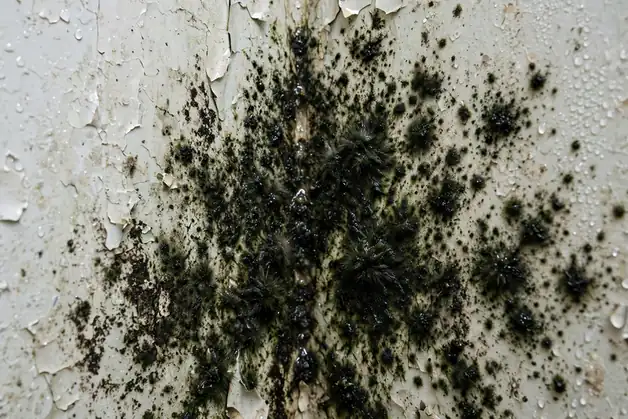
Black mold stands out from other types because of its dark greenish-black appearance and slimy texture. It grows where moisture lingers for long periods, often on porous materials like drywall, wood, or fabric. Common causes include water leaks, poor ventilation, flooding, or condensation buildup. For the full list, see our guide to 7 common causes of mold in Vancouver homes.
You’ll often find black mold hiding in corners of bathrooms, under sinks, around window frames, and in basements with poor airflow. Early signs may include a musty odor, discolored patches on walls, or worsening allergy symptoms at home. Our room-by-room guide explains where does mould grow in a typical home.
Black Mold vs Other Common Household Moulds
| Mould type | Typical colour / appearance | Health concern |
|---|---|---|
| Black mold (Stachybotrys) | Dark green to black, slimy when wet | Produces mycotoxins; respiratory and allergy symptoms |
| Aspergillus | Green, yellow or white, powdery | Allergy, asthma; can infect people with weak immunity |
| Penicillium | Blue-green, velvety | Allergy, asthma, musty odour |
| Cladosporium | Olive-green to brown, suede-like | Allergy and asthma trigger, common outdoors |
| Alternaria | Dark grey-green, velvety | Allergy and asthma trigger, common in damp areas |
Health Risks of Black Mold Exposure
Black mold releases microscopic spores and toxins (mycotoxins) into the air. When inhaled, these can cause a range of symptoms—especially in individuals with respiratory sensitivities.
Short-term effects:
- Coughing and sneezing
- Watery eyes and skin irritation
- Sinus congestion and headaches
Long-term exposure:
Prolonged contact with black mold can lead to severe health complications, including:
- Chronic fatigue and brain fog
- Respiratory infections or asthma flare-ups
- Memory loss and neurological issues in extreme cases
Children, seniors, and those with weakened immune systems are most at risk. Health authorities, including the CDC and Health Canada, warn that even low levels of exposure can worsen conditions like asthma or allergies.
Structural and Environmental Damage
Aside from health concerns, black mold also poses serious risks to your home. It feeds on organic materials such as wood, insulation, and drywall, weakening your home’s structural integrity over time. If ignored, it can cause expensive damage that requires full wall replacements or foundation work.
Moisture and mold growth also lead to poor indoor air quality, making your home feel damp and musty. What starts as a small patch can quickly spread, turning into a large-scale remediation project if left unchecked.
Signs You Might Have a Black Mold Problem
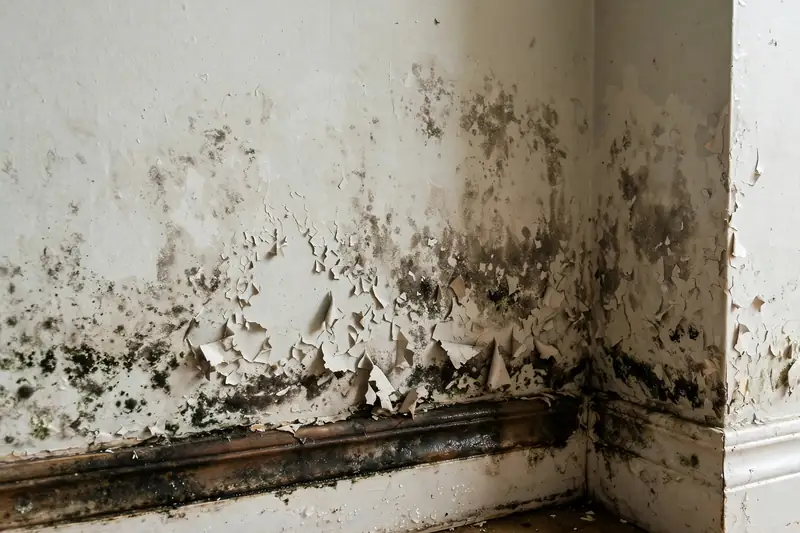
Recognizing the signs early is crucial to protecting your home and health. Look for:
- Dark, slimy patches on walls or ceilings
- A persistent musty odor, especially in closed spaces
- Increased allergy-like symptoms when indoors
- Peeling paint or bubbling wallpaper
If several household members experience the same unexplained symptoms, it might be time to inspect hidden areas like crawl spaces, behind baseboards, or under carpets.
If you spot a suspicious patch, take clear photos before you touch anything — close-ups and a wider shot showing where it is — and note the date. Photos help a professional assess the growth and are useful if you need to make an insurance claim. Do not scrape or wipe the patch to get a better photo; disturbing it can release spores.
Prevention and Safe Removal Tips
Preventing black mold starts with controlling moisture and improving ventilation:
1. Fix leaks immediately: Even a slow drip can create ideal conditions for mold.
2. Use dehumidifiers: Keep indoor humidity below 50%.
3. Improve airflow: Open windows or use exhaust fans in humid rooms.
4. Regular inspections: Especially after heavy rain or flooding.
While DIY mold removal may seem tempting, it’s risky. Disturbing mold can release spores into the air, spreading contamination to other areas and exposing you to harmful toxins. For safe and effective removal, it’s best to rely on certified professionals.
A professional mold removal team has the containment, protective equipment and disposal procedures to do the job safely.
If you’re in Vancouver, trust Synchron Demolition for expert mold removal and remediation services. Our trained specialists use advanced techniques and safety equipment to eliminate black mold completely—protecting both your home and health. Don’t take chances with toxic mold; call us today at 236-500-3656 for a professional assessment.
Black Mold Prevention Checklist
Use this checklist to keep black mold from coming back after removal:
- Keep indoor humidity below 50%
- Fix leaks quickly
- Ventilate bathrooms and kitchens
- Dry wet areas within 24 to 48 hours
- Use a dehumidifier in damp basements
- Clean gutters regularly
- Inspect after heavy rain or flooding
Conclusion
Black mold is more than just a cleaning issue; it’s a threat to your health, your home, and your peace of mind. From respiratory issues to costly structural damage, ignoring the signs can make things worse. If you suspect black mold in your home, act fast and call professionals like Synchron Demolition for safe, effective mold removal in Vancouver. Protect your space before it spreads—and breathe easier knowing your home is in expert hands.
Frequently Asked Questions About Black Mold
What makes black mold more dangerous than regular mold?
Black mold produces mycotoxins, which are toxic compounds that can affect your respiratory and immune systems, unlike many common household molds.
Can black mold make you sick?
Yes. Inhaling black mold spores can cause headaches, coughing, sinus infections, and even long-term lung issues if exposure continues.
How long does it take for black mold to affect your health?
Symptoms can appear within days or weeks, depending on exposure levels and individual sensitivity.
Is it safe to clean black mold yourself?
No. DIY cleaning often spreads spores and increases exposure. It’s safer to hire trained professionals like Synchron Demolition for mold removal in Vancouver.
How can I tell if I have black mold or just mildew?
Black mold has a darker color and slimy texture, while mildew is lighter and powdery. However, a professional inspection is the only way to be sure.
How much does professional black mold removal cost in Vancouver?
Costs vary by the size of the affected area, but a professional inspection can give you an accurate quote. Call +1 236-500-3656 for a free consultation with Synchron Demolition.
What causes black mold to grow in Vancouver homes?
Black mold needs moisture, warmth and a food source such as drywall, wood or paper. In Vancouver, the rainy climate, leaks, condensation and poor ventilation keep surfaces damp enough for it to grow. Fixing the moisture source is the only lasting cure; cleaning the surface alone will not stop it returning.
Does black mold always look black?
Not always. Black mold, or Stachybotrys chartarum, is usually dark green or black and slimy when wet, but it can look grey or brown when dry. Other dark moulds can look similar. Colour alone cannot identify the species, so laboratory testing is needed for a certain identification.
Can black mold grow inside walls without being visible?
Yes. Black mold often grows behind drywall, under flooring and inside wall cavities where leaks or condensation keep materials damp. A musty smell, warped walls, peeling paint or unexplained health symptoms can be signs. A professional inspection with moisture meters can locate hidden growth.
Is black mold dangerous for children and pets?
Children, elderly people, pets and anyone with asthma or a weakened immune system are more vulnerable to mould spores. Exposure can trigger coughing, wheezing, eye irritation and worsening asthma. If black mold is suspected in a home with children or pets, arrange a professional assessment promptly.
What should I do first if I find black mold in my home?
Do not scrub it dry or use a regular vacuum, as both spread spores through the air. Limit access to the room, avoid disturbing the area, and find the moisture source. Then call a licensed mould remediation professional for testing and safe removal, especially if the area is larger than one square metre.
Does homeowners insurance cover black mold removal in BC?
It depends on your policy and the cause. Sudden water damage, such as a burst pipe, is often covered, while long-term leaks or poor maintenance usually are not. Check your policy wording, document the damage with photos, and contact your insurer before starting remediation work. For the asbestos side of the question, see our guide to is asbestos removal covered by insurance.
How can I prevent black mold from coming back after removal?
Keep indoor humidity below 50%, fix leaks quickly, ventilate bathrooms and kitchens, and dry wet areas within 24 to 48 hours. Use a dehumidifier in damp basements and clean gutters regularly. A professional can also advise on ventilation or insulation upgrades for your home.
Sources
- CDC — Mold — https://www.cdc.gov/mold-health/about/index.html — health effects of mould exposure and when to get help.
- Health Canada — Mould — https://www.canada.ca/en/health-canada/services/air-quality/indoor-air-contaminants/reduce-humidity-moisture-mould.html — federal guidance on mould in homes and cleaning small areas safely.
- US EPA — Mold — https://www.epa.gov/mold — mould cleanup, moisture control and prevention.
- WorkSafeBC — https://www.worksafebc.com/ — BC workplace safety guidance on mould and indoor air quality.