People often say planning permission when they are talking about demolition. With Demolition in Vancouver, the language is different. The City is mostly focused on permits and approvals, and the right answer depends on what you are removing, how old the building is, and whether a rebuild is part of the plan.
The 20 second answer
In Vancouver, demolishing a building usually means you need a demolition permit. If the job is tied to a rebuild, you may also need other permits and planning style approvals before anything moves forward.
A safe rule is simple. If you are taking down a structure, touching anything structural, or changing plumbing, electrical, or gas systems, do not assume it is paperwork free.
What planning permission means in Vancouver terms
Think of Vancouver approvals in three buckets.
Demolition permit
This is permission to remove a building or structure. Full tear downs typically fall here.
Building permit
This covers construction and major alterations. Interior demolition can fall under a building permit when it impacts structure, life safety systems, or building services.
Development permit
This is the closest thing to the planning permission idea people are thinking of. It can be required when a project needs zoning review, design review, relaxations, or a specific land use approval. If a development permit is required for the new build, it can affect the sequence for everything that follows.
One project can need more than one permit. That is normal in Vancouver.
A quick decision checklist
Use this as a fast way to sanity check your scope.
You are likely in permit territory if you answer yes to any of the following.
- You are removing an entire house, garage, laneway structure, or other stand alone building
- You are removing load bearing walls, beams, roof framing, foundations, or major structural elements
- You are moving interior walls or changing exits, stairs, or fire separations
- You are relocating plumbing, electrical wiring, or gas lines
- You are in a multi unit building, strata, or a commercial space
- The building is older, character, or heritage listed
- You are demolishing as part of a rebuild, such as a new house or laneway house
If you are not sure where the line is, treat that uncertainty as a signal. It is cheaper to confirm early than to fix a stop work mess later.
Common scenarios and what they usually require
Full building tear down
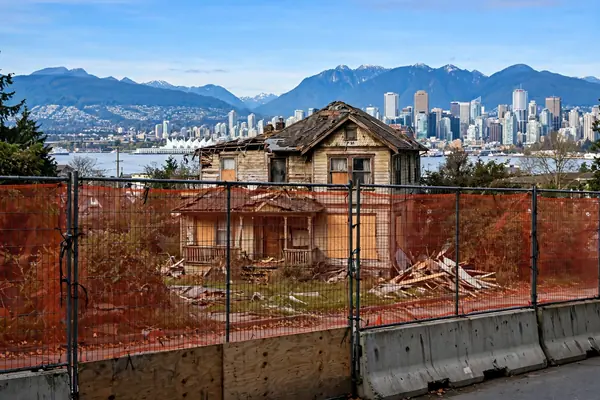
If the goal is to remove the entire building, Vancouver typically requires a demolition permit. In many cases, the City also expects you to plan for reuse and recycling, especially for older housing stock.
Partial demolition that affects structure or life safety
Removing a load bearing wall, opening up a large span, changing stairs, or altering fire rated assemblies is not a simple interior clean out. These changes typically trigger building permit requirements because the work affects structural integrity and life safety.
Interior demolition that is mostly non structural
Removing cabinets, flooring, and finishes can sometimes be considered minor work, but the boundary is easy to cross. The moment you start moving walls, altering mechanical systems, or changing electrical or plumbing runs, you are usually back into permit territory.
Multi family and commercial spaces
In multi family and commercial environments, even interior demolition can trigger additional requirements because of fire separations, sprinklers, exiting, and occupancy rules. Strata bylaws, landlord obligations, and tenant protection can also add constraints that do not exist in a detached house project.
Heritage, character, and older homes
Older and heritage related homes can come with extra requirements around deconstruction, salvage, reuse, and documentation. If your home is older, assume there will be more steps than a simple machine demolition.
The extra approvals people forget
Demolition is rarely a single checkbox in Vancouver. Here are the usual surprise items.
Reuse, recycling, and deconstruction requirements
Vancouver often expects a plan for how materials will be handled, where they will go, and how compliance will be proven. These requirements can vary based on building age and status.
Hazardous materials due diligence
Older buildings can contain hazardous materials that require assessment and regulated removal before the main demolition. Even when the demolition itself seems straightforward, hazardous material handling can control the schedule.
Utility disconnections
Gas, electricity, water, and sewer disconnections can become the hidden critical path. Contractors can be ready to start, but the job cannot safely proceed until disconnections and confirmations are done.
Tree and site impacts
Protected trees, excavation, and site access can trigger other requirements. Waste bins, fencing, sidewalk impacts, and traffic control can also require additional approvals.
Development permit sequencing
If the demolition is part of a rebuild that needs planning review, a development permit may be required before other permits can progress. This is where many timelines stretch, not because demolition is hard, but because the approvals are staged.

A step by step process that matches Vancouver reality
Step 1: Confirm the pathway
Decide whether this is demolition only or demolition plus rebuild. If a new build is planned, confirm whether planning style approvals are required first.
Step 2: Identify compliance requirements early
Determine whether reuse, recycling, deconstruction, or salvage obligations apply. Build that into the scope and the budget from day one. Trying to bolt it on later usually costs more.
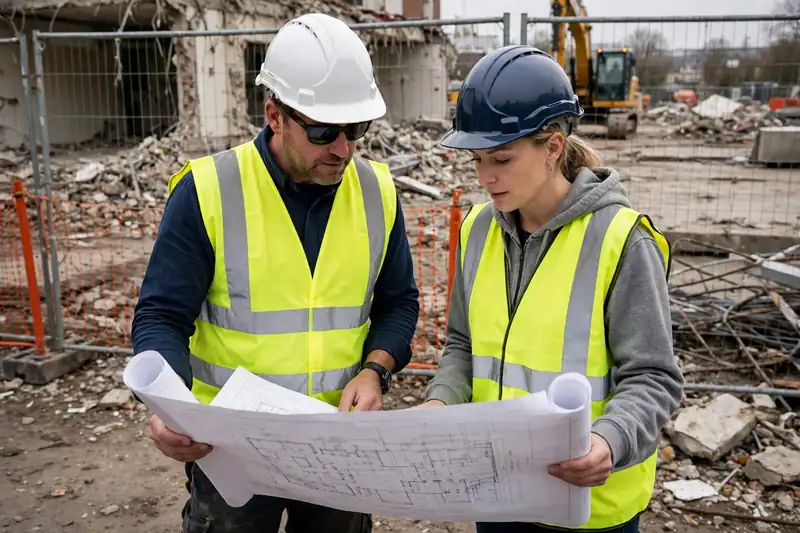
Step 3: Prepare the application package
A solid application package includes clear scope, site information, and any required reports or clearances. Missing documentation is one of the most common reasons for delays.
Step 4: Sequence salvage and hazardous material work before full demolition
This is where many homeowners are surprised. Salvage and regulated removals often come before the main demolition work. It is not just a safety issue. It can be a compliance requirement.
Step 5: Manage inspections and close out
The job is not truly done until debris is removed, compliance documentation is complete, and the permit is closed out properly. That close out matters for future resale, insurance, and the next permit stage.
What happens if you skip permits
Skipping permits can create three types of pain.
First, work can be stopped. That means delays and added costs while paperwork catches up.
Second, penalties can apply, and you may still be responsible even if a contractor told you permits were not needed.
Third, unpermitted work can cause trouble later. Selling the property, refinancing, or handling an insurance claim becomes harder when the record does not match what happened on site.
Practical tips for Vancouver homeowners
- Treat planning permission as a translation problem. Focus on demolition permits, building permits, and development permits.
- Line up utility disconnections early. It is often the slowest moving part.
- If the home is older, plan for hazardous material due diligence and material handling requirements.
- Keep documentation organized. Receipts, reports, and disposal records can matter at close out.
- Think about neighbours. Noise, dust control, and site access planning reduce conflict and help the project run smoother.
A pro solution that keeps it simple
If you are in Vancouver and want to avoid guesswork, Synchron Demolition is a practical next step. We offer free counselling to review your scope, flag the approvals that are likely involved, and map out a clean sequence for permits, utility coordination, material handling, and on site safety.
Demolition should feel controlled, not chaotic. A short conversation early can prevent expensive surprises later.
Do you need a demolition permit in Vancouver?
Does demolition require planning permission in Vancouver? If you are arranging demolition services in Vancouver, use this table as a quick check before you apply. The demolition permit Vancouver requires for a teardown is issued by the City, and the extra requirements depend on the building.
| Situation | Permit needed? | Also required |
|---|---|---|
| Demolishing a whole house | Yes | Hazmat report, utility disconnections |
| Demolishing a garage or addition | Yes | Hazmat report if the building is pre-1990 |
| Interior strip-out only | Usually yes | Hazmat survey before disturbing materials |
| Pre-1950 home | Yes | Green demolition deposit, waste diversion plan |
| Heritage-listed property | Yes, plus heritage review | Extra time — apply early |
Frequently Asked Questions About Demolition Permits in Vancouver
These are the questions we hear most often about demolition permits in Vancouver, from timelines to hazmat reports. If you have not had a survey done yet, read what a hazmat report covers before you apply.
How long does it take to get a demolition permit in Vancouver?
A straightforward demolition permit in Vancouver usually takes several weeks, but the timeline depends on the hazmat report, whether the home is pre-1950, and whether a heritage review is needed. Apply early and do not book demolition crews until the permit is issued, because work cannot legally start without it.
What is the difference between planning permission and a demolition permit?
Planning permission is a UK term; Vancouver does not use it. In BC you apply for a demolition permit from the City, which checks zoning, heritage status, utility disconnections and the hazmat report. The permit is the legal approval to demolish, and it comes with conditions like waste diversion and the green demolition deposit.
Do I need a hazmat report before applying for a demolition permit?
Yes, in almost every case. The City of Vancouver requires a hazardous materials survey for demolition permit applications on older buildings, because asbestos and lead must be dealt with before demolition. Your permit application will be delayed or refused if the hazmat report is missing or incomplete.
What happens if I demolish without a permit in Vancouver?
You can face stop-work orders, fines, and orders to restore the site, and the City may refuse future permits for the property. Unpermitted demolition also creates problems when selling, because buyers and their lawyers will ask for the permit records. Always wait for the permit before any demolition work begins.
Do I need a permit to demolish only part of a building?
Yes, usually. Partial demolition, such as removing an addition, a garage or a section of a house, still needs a City permit, and a hazmat survey is still required if the building is old enough to contain asbestos. Check with the City before starting, because the rules depend on the scope of the work.
Before you apply, it also helps to know the likely house demolition cost in Vancouver and to compare the best Vancouver demolition contractors for the work. Synchron Demolition can review your scope and map out the permit sequence for your property.
Sources
- City of Vancouver — Demolition permits: https://vancouver.ca/home-property-development/demolition-permit.aspx — supports permit requirements, heritage review and the green demolition bylaw.
- WorkSafeBC — Asbestos: https://www.worksafebc.com/en/health-safety/hazards-exposures/asbestos — supports the hazmat survey requirement before demolition.
- Health Canada — Asbestos and your health: https://www.canada.ca/en/health-canada/services/air-quality/indoor-air-contaminants/health-risks-asbestos.html — supports why hazardous materials must be handled before demolition.